CARSINGTON WATER
ENGLAND
DERBYSHIRE (Wirksworth and Kniveton) (water surface at 200m surrounding hills up to 130m higher)
The visitor centre Carsington Water Visitor Centre Big Lane, Upper Town, Ashbourne DE6 1ST (pay parking on exit)
Contact This email address is being protected from spambots. You need JavaScript enabled to view it.
0330 678 0701
Anytime (November 2025)
Birding Site Guide
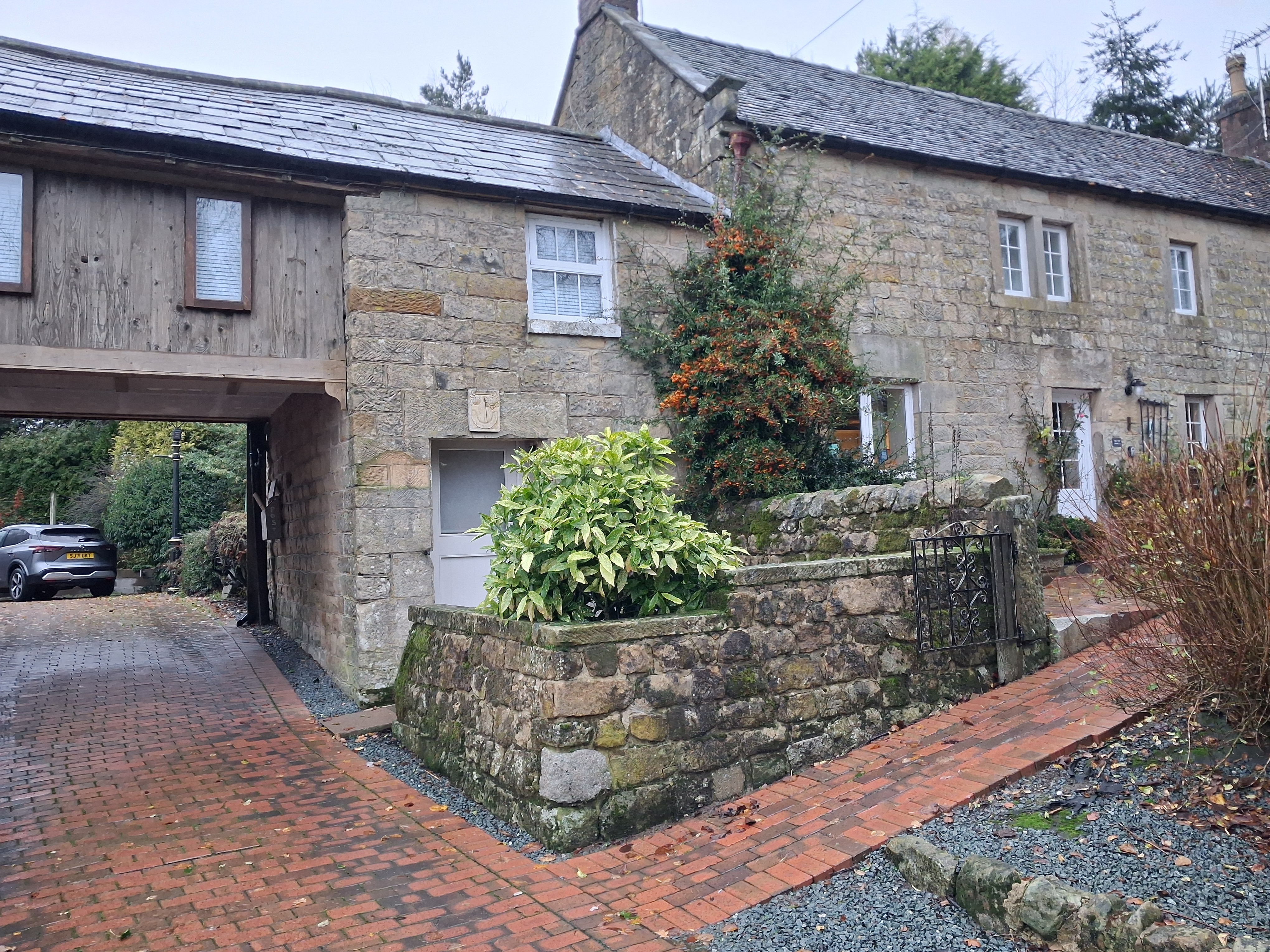
This Severn Trent Water site is easy to get too, but the lanes on the final approach go down to narrow banked single track. There are numerous places to stay next to the reservoir or in nearby villages. We stayed at Upperfield Farm, Oldfield Lane, Kirk Irton DE6 3LA a stone throw from the water which was a large place which could accommodated at least 20 people.
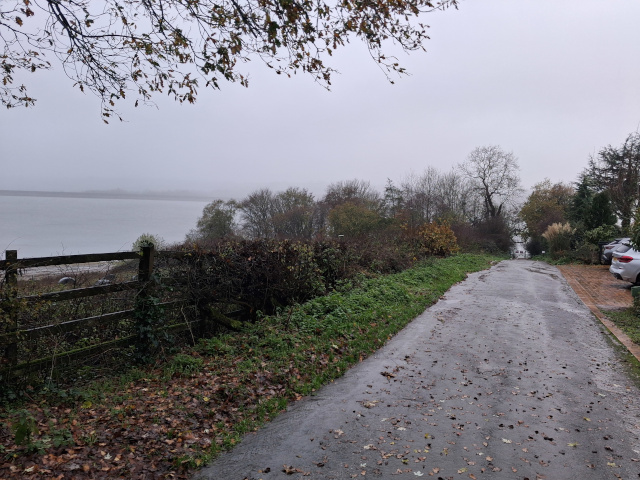
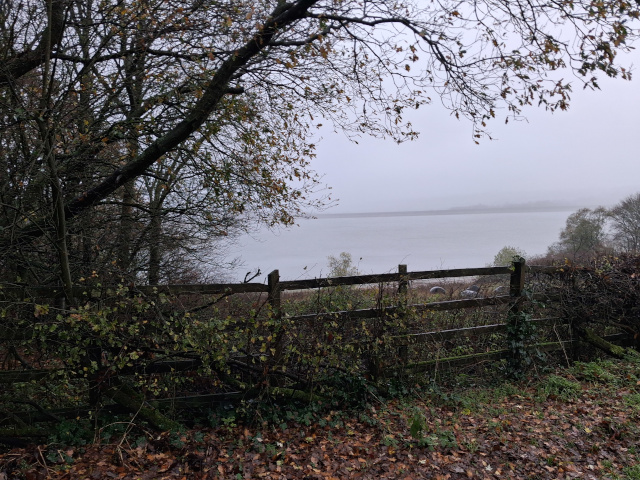
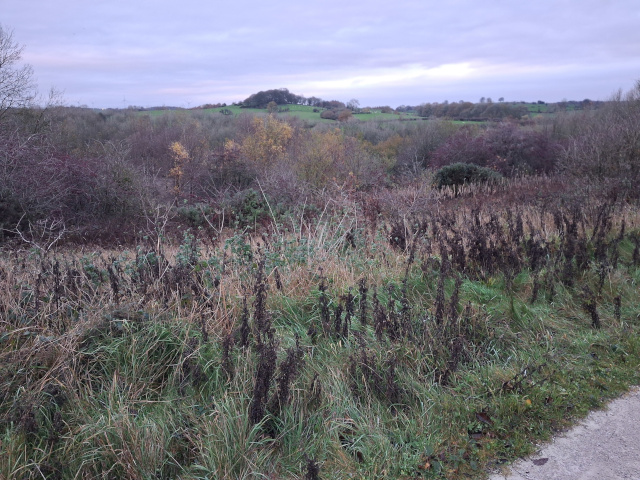
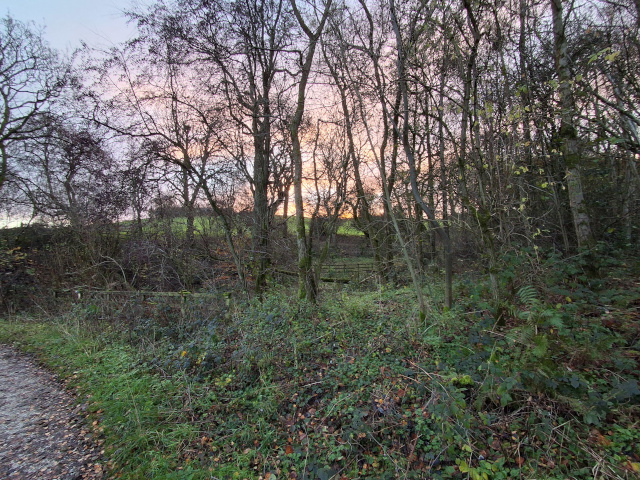
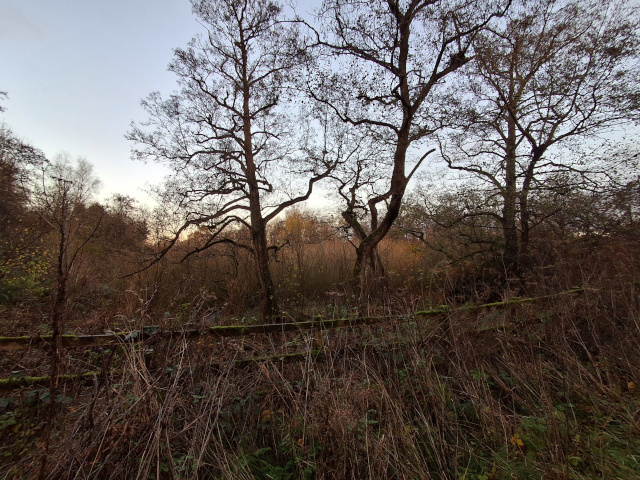
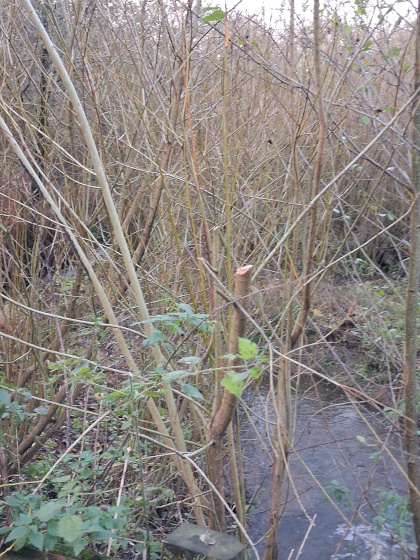
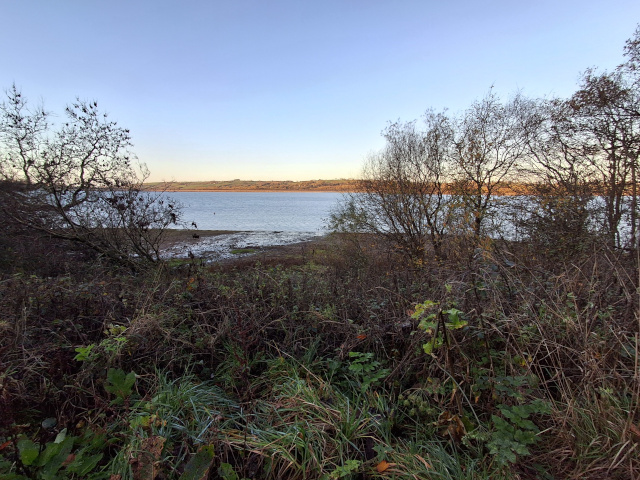
The site has an excellent path all the way around for walkers and cyclists which is 7.5-mile (12-kilometre) long. It undulates a bit and the surrounding landscape is of low rolling hills. There are all the usual water activities and cycling and horse riding are allowed. For birders, the site is very interesting with lots of potential due mainly to the good mix of various habitats. Firstly, there is the open water of the reservoir, and the edge habitat which is often steepish bare rock from the reservoir sculpting. However, in the wildlife reserve area just north of the visitor centre there is a gentle mud edge which attracts all manner of waterbirds and gulls. Around much of the reserve, particularly the south is much mixed native species woodland. At least parts of it incorporated former patches of ancient woodland with a few ancient oaks and Ash (see photos). Much of the younger woodland filling the gaps is of willow, birch and alder particularly at the south east inlet stream. This carr woodland is integrated into drier areas with other species such as cherry, Hazel, Hawthorn, lime and quite a few Crab Apples, less Beech with bushes of Elder and Guelder Rose. Non-native species scattered and in small plantations include conifers of Sitka Spruce, Larch and others. Above and between this waterside woodland edge are grass areas, managed often with wildlife in mind, so there are areas of long and short grass, which can be wet or dry, some with bramble and scrub. Beyond and outwith the area is mainly sheep pasture.
This diversity means a good mix of birds too, chief amongst these are the water birds, of which anything that turns up at any mid-elevation reservoir can occur here. The gull roosts can be quite Large too. In the carr woodland the real star is the nationally fast declining Willow Tit, which is still relatively common here. Also easy to see are numerous Bullfinch and Nuthatch are common. Other common woodland birds abound. Around muddy edges waders are sometimes found such as Green Sandpiper. Overhead, look for regular Red Kites and also Buzzard and Sparrowhawk. Near sheep areas Ravens are found.
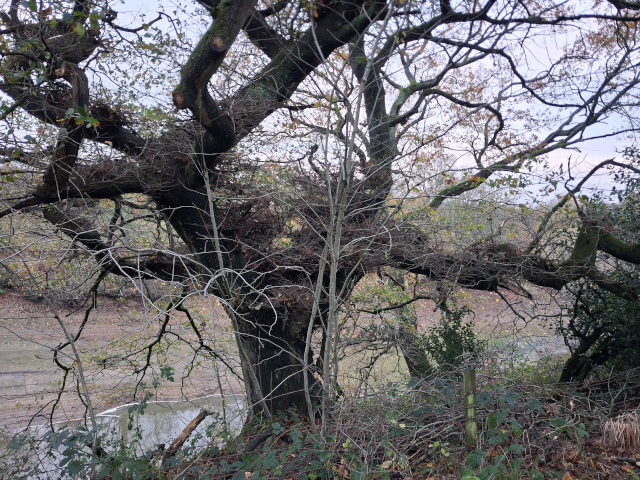
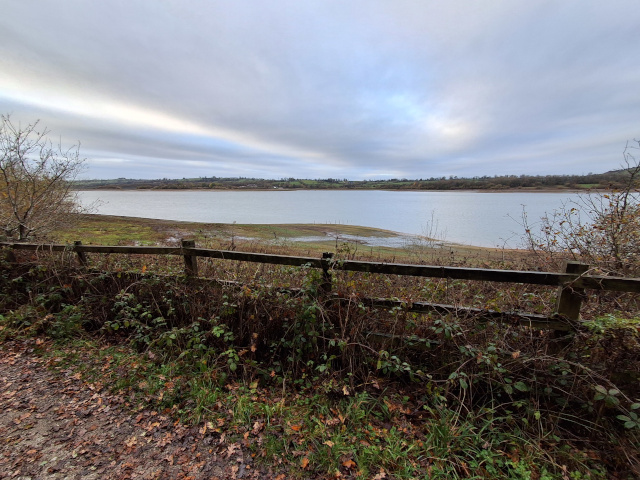
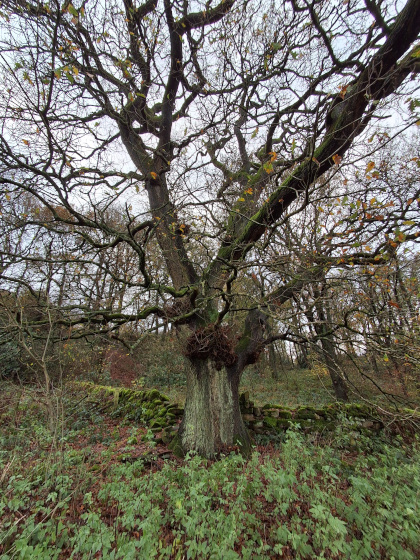
Birds we saw on our November visit. Greylag Goose 8, Canada Goose 20, Mute Swan 2, Gadwall 2, Mallard 40, Teal 30, Tufted Duck 8, Goldeneye 10, Common Pheasant 6, Woodpigeon 10, Common Moorhen 1, Green Sandpiper 1, Black-headed Gull 70, Common Gull 18, European Herring Gull 2, Lesser Black-backed Gull 80, Great Crested Grebe 6, Cormorant 12, Eurasian Sparrowhawk 1, Red Kite 5, Common Buzzard 1, Tawny Owl 1, Green Woodpecker 1, Kestrel 1, Magpie 2, Jackdaw 6, Rook 4, Carrion Crow 20, Raven 1, Coal Tit 4, Willow Tit 4, Blue Tit 20, Great Tit 10, Skylark 1, Long-tailed Tit 10, Goldcrest 5, Nuthatch 4, Wren 3, Song Thrush 1, Redwing 30, Blackbird 9, Fieldfare 2, Robin 12, Dunnock 2, Pied Wagtail 2, Meadow Pipit 14, Chaffinch 30, Bullfinch 4, Goldfinch 3, Siskin 2.
Author: BSG.
www.birdingsiteguide.com